
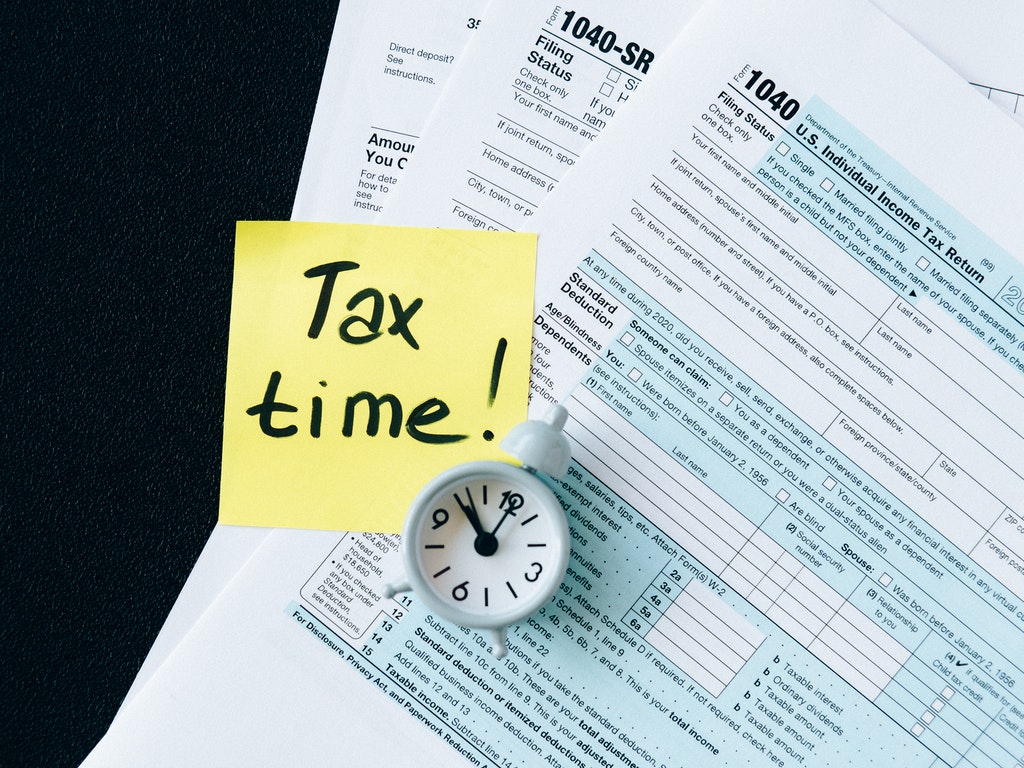
Tax season can be a scary time, especially if you’re new to the process. Filing your taxes correctly is essential to avoid penalties and ensure you’re taking advantage of potential refunds or deductions. If you’re a tax-filing newbie, fear not! This article will take you through the basics of tax filing, helping you understand the process and your responsibilities.
Determine Your Filing Status
Your filing status depends on factors like your marital status and dependents. Common options include Single, Married Filing Jointly, Married Filing Separately, and Head of Household. Choose the status that best reflects your situation, as it affects your tax rate and deductions.
Gather Necessary Documents
Collect all relevant documents, including W-2 forms from your employer, 1099 forms for freelance or contract work, and any other income-related documents. Additionally, gather records of deductions, such as charitable contributions and business expenses.
Understand Deductions and Credits
Deductions lower your taxable income, while credits directly reduce the amount of tax you owe. Research available deductions and credits, such as the Earned Income Tax Credit or student loan interest deduction, to ensure you’re maximizing your savings.
Choose Between Standard and Itemized Deductions
You can either take the standard deduction provided by the IRS or itemize your deductions. Itemizing requires more effort but can be beneficial if your total deductible expenses exceed the standard deduction amount.
Use Tax Software or Hire a Professional
Tax software guides you through the steps, asks relevant questions, and ensures accurate calculations. Alternatively, you can also hire a tax professional to handle your taxes, providing peace of mind and potentially uncovering additional deductions.
Determine Your Refund or Payment
After filing, the IRS will assess whether you owe more taxes or are entitled to a refund. If you’re owed a refund, you’ll receive a check or direct deposit. If you owe taxes, payment options are available, including setting up an installment plan.
File On Time
The tax deadline is typically April 15th, though it might vary due to weekends or holidays. Filing late can result in penalties, so be sure to submit your return on time. If you can’t meet the deadline, consider filing for an extension.
Plan for Next Year
After completing your tax return, assess areas where you can improve for the next tax year. Consider adjusting your withholding if you are owed taxes or seek ways to increase your deductions.