
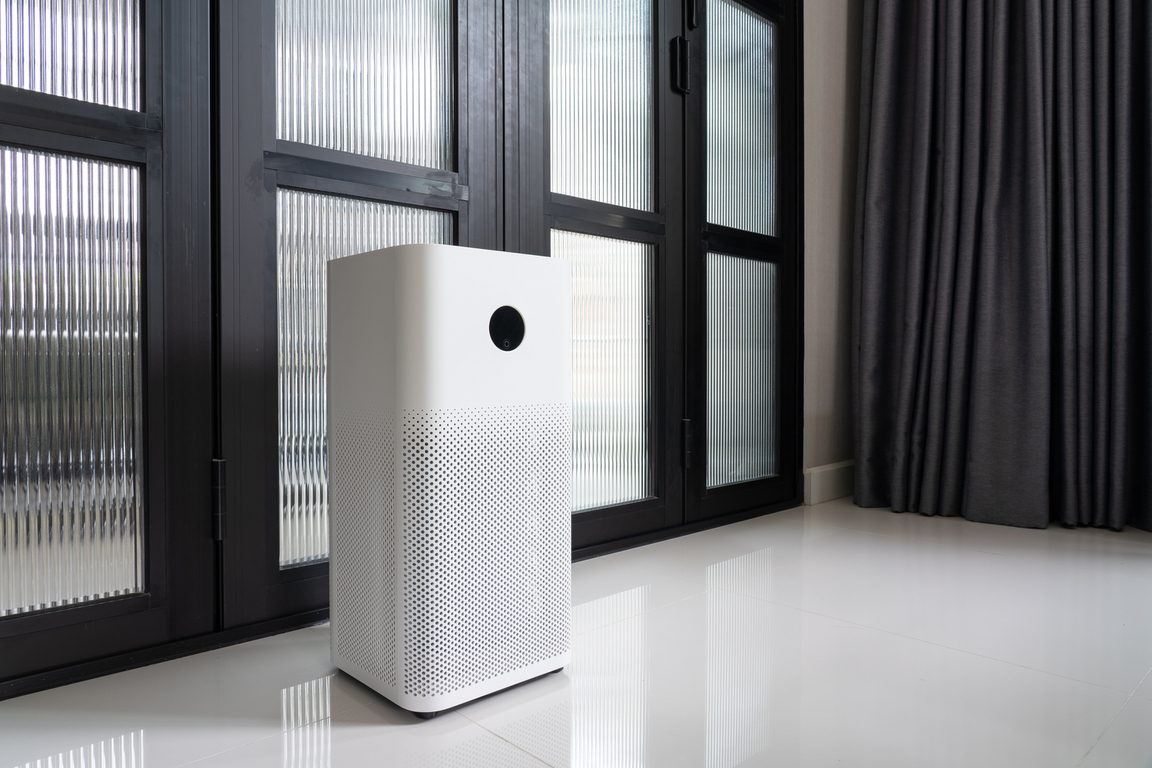
Asthma, a chronic respiratory condition, can be triggered or exacerbated by various environmental factors, including indoor air pollutants. As the quest for effective asthma management continues, the role of air purifiers has gained prominence. This article delves into the impact of air purifiers on asthma management.
Reduction of Allergens and Irritants
Air purifiers are equipped with filters designed to capture allergens such as dust mites, pollen, pet dander, and mold spores. These airborne particles are common triggers for asthma symptoms. By removing these irritants from the air, air purifiers create a cleaner environment that can significantly reduce the severity of asthma attacks, helping individuals breathe easier.
Removal of Airborne Particles
In addition to allergens, air purifiers can effectively filter out small airborne particles like fine dust and smoke, which can irritate the airways and worsen asthma symptoms. By eliminating these particles, air purifiers help create a healthier indoor environment that minimizes potential asthma triggers, leading to better overall respiratory health.
Odor and Chemical Removal
Air purifiers with activated carbon filters absorb odors and chemicals from indoor air. This is particularly relevant for individuals with asthma, as strong odors or irritant chemicals can exacerbate symptoms. By neutralizing these odors and chemicals, air purifiers contribute to a more comfortable and asthma-friendly living space.
Support During Pollen Seasons
Seasonal allergies, often triggered by pollen, can aggravate asthma symptoms. Air purifiers equipped with HEPA filters can effectively capture pollen particles, reducing their presence indoors and providing relief for individuals with asthma. Using air purifiers during pollen seasons can help create a sanctuary free from outdoor allergens.
Improved Sleep Quality
Asthma symptoms, especially nighttime coughing and wheezing, can disrupt sleep and affect overall well-being. Air purifiers can enhance sleep quality by maintaining clean indoor air, reducing potential asthma triggers that may disturb sleep. Better sleep quality contributes to improved asthma management and overall health.
Preventing Respiratory Infections
Respiratory infections can exacerbate asthma symptoms, leading to asthma attacks. Air purifiers equipped with germ-fighting technologies, such as UV-C light, can help neutralize airborne viruses and bacteria, reducing the risk of respiratory infections and their impact on asthma.
Personalized Asthma Management
Air purifiers come in various sizes and models, allowing individuals to choose the one that suits their living space and specific needs. For those with asthma, selecting an air purifier with appropriate features, such as HEPA filters and allergen removal capabilities, ensures a tailored approach to managing indoor air quality and respiratory health.