
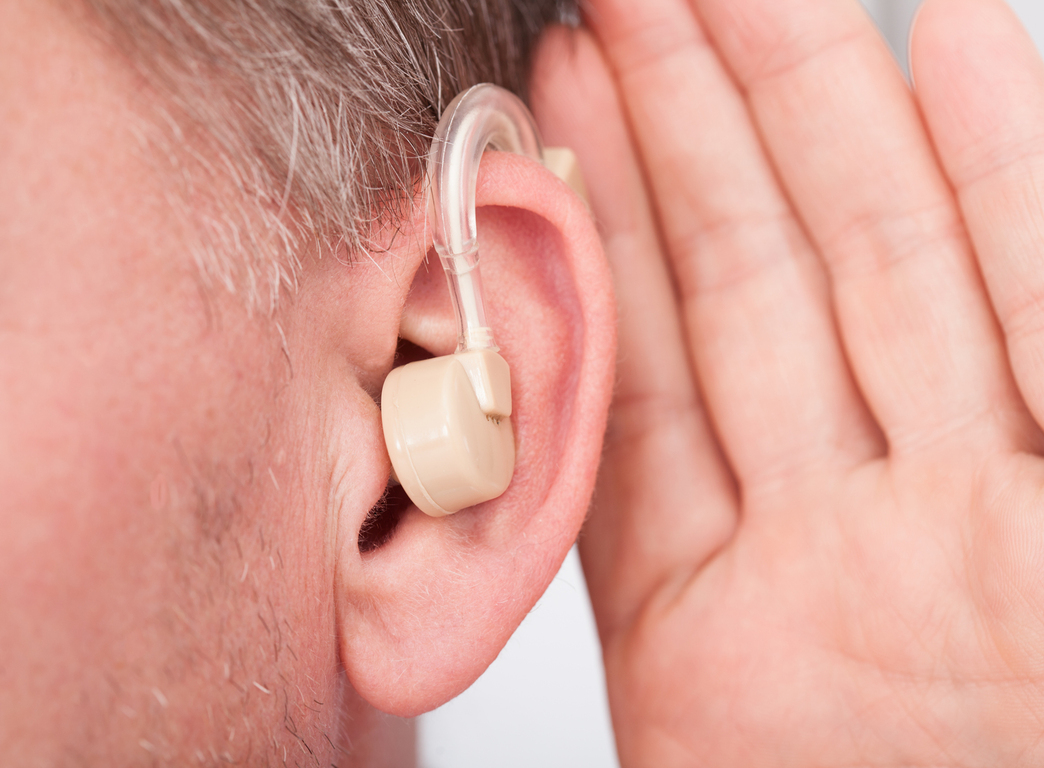
Hearing connects us to the world around us. However, for many individuals, hearing loss can gradually diminish this connection. Deciding whether a hearing aid is necessary is a significant consideration. This article explores the factors that may indicate a need for a hearing aid and provides insights into the benefits of addressing hearing loss.
Recognizing Hearing Loss Symptoms
Difficulty understanding conversations, frequently asking others to repeat themselves, and turning up the TV or radio volume excessively – these are common signs of hearing loss. If these symptoms are affecting daily life and interactions, seeking professional help is essential. A hearing evaluation can determine the extent of the hearing loss and whether a hearing aid is recommended.
Impact on Quality of Life
Untreated hearing loss may lead to frustration, social isolation, and decreased overall well-being. Struggling to communicate effectively with loved ones and feeling left out of conversations can take a toll on mental and emotional health. Addressing hearing loss with a hearing aid can significantly improve quality of life, fostering better connections and restoring confidence.
Improved Communication
Hearing aids enhance communication by amplifying sounds and making speech clearer. With improved hearing, individuals can actively engage in conversations, enjoy social gatherings, and maintain connections with family and friends. Effective communication contributes to better mental stimulation, reducing the risk of cognitive decline.
Safety Considerations
Hearing loss can compromise safety by making it difficult to hear alarms, sirens, and other warning sounds. Crossing streets, driving, and navigating busy environments become riskier. A hearing aid can provide a safer and more secure environment by ensuring that important sounds are audible, allowing individuals to react promptly to potential hazards.
Preventing Further Decline
Ignoring hearing loss can exacerbate the problem over time. The auditory nerve needs regular stimulation to maintain its function. When left untreated, hearing loss can lead to auditory deprivation, in which the brain progressively loses its capability to interpret sounds. Wearing a hearing aid can prevent this decline by providing the necessary stimulation to keep the auditory system active.
Consultation with Hearing Care Professionals
Determining the need for a hearing aid is a decision best made in consultation with hearing care professionals. They can conduct thorough evaluations, explain the extent of hearing loss, and suggest appropriate solutions. These experts consider lifestyle, hearing needs, and preferences to guide individuals toward the most effective and personalized hearing aid options.