
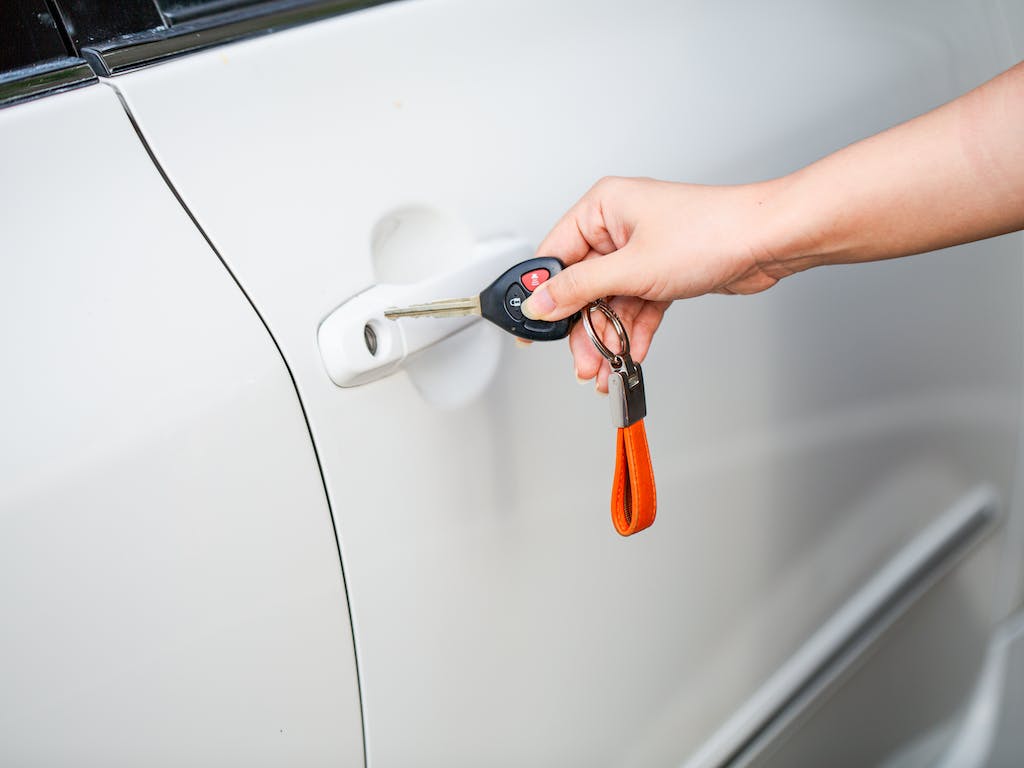
Purchasing your first car comes with significant decisions and considerations. With so many options and factors to navigate, it’s important to approach the process with careful planning. In this article, we’ll provide essential advice for first-time car buyers to ensure a well-informed and confident decision-making process.
Set a Realistic Budget
Before embarking on your car-buying journey, determine how much you can comfortably afford. Consider the purchase price and other ongoing expenses like insurance, fuel, maintenance, and potential loan payments. Set a budget to help you narrow down your options and prevent overspending.
Research Thoroughly
Take the time to research various makes, models, and features. Consider factors like fuel efficiency, safety features, reliability, and resale value. Online resources, car reviews, and consumer reports can provide valuable insights into the cars you’re considering.
Consider New vs. Used Cars
Decide whether a new or used car is the better choice for you. New cars offer the latest features, warranties, and potentially lower maintenance costs, but they also come with a higher price tag. Used cars can provide good value and more affordable insurance rates, but it’s important to thoroughly inspect the vehicle’s condition and history.
Explore Financing Options
If you’re not buying the car outright, explore financing options such as auto loans. Compare loan terms, interest rates, and monthly payments from various lenders. Getting pre-approved for a loan can also give you a clearer picture of your budget and negotiating power.
Test Drive and Inspect
Never skip the step of test driving a car before making a decision. This allows you to assess how comfortable and suitable the car is for you. Additionally, have a trusted mechanic inspect any used car you’re considering to identify potential issues that may not be immediately visible.
Consider Insurance Costs
Insurance is a significant ongoing expense for car owners. Research insurance rates for the cars you’re considering and factor this into your budget. Certain features, such as advanced safety systems, can lead to lower insurance premiums.
Think About Long-Term Costs
Consider the long-term costs of ownership. This includes maintenance and repairs. Some cars may have higher maintenance costs due to complex technology or specialized parts. Choose a car with a reputation for reliability to minimize unexpected expenses.
Purchasing your first car is a significant step that requires careful consideration and research. This advice will empower you to embark on your car-buying journey with confidence and excitement.